
Across economies and industries, AI can contribute enormously to achieving net zero targets. For instance, it can help utilities allocate resources more efficiently; reduce energy wastage in hard-to-green transportation industries such as shipping; and optimise irrigation in agriculture. But just as it could be a boon as business and industry take steps to lower their carbon footprints, there is a potential downside.
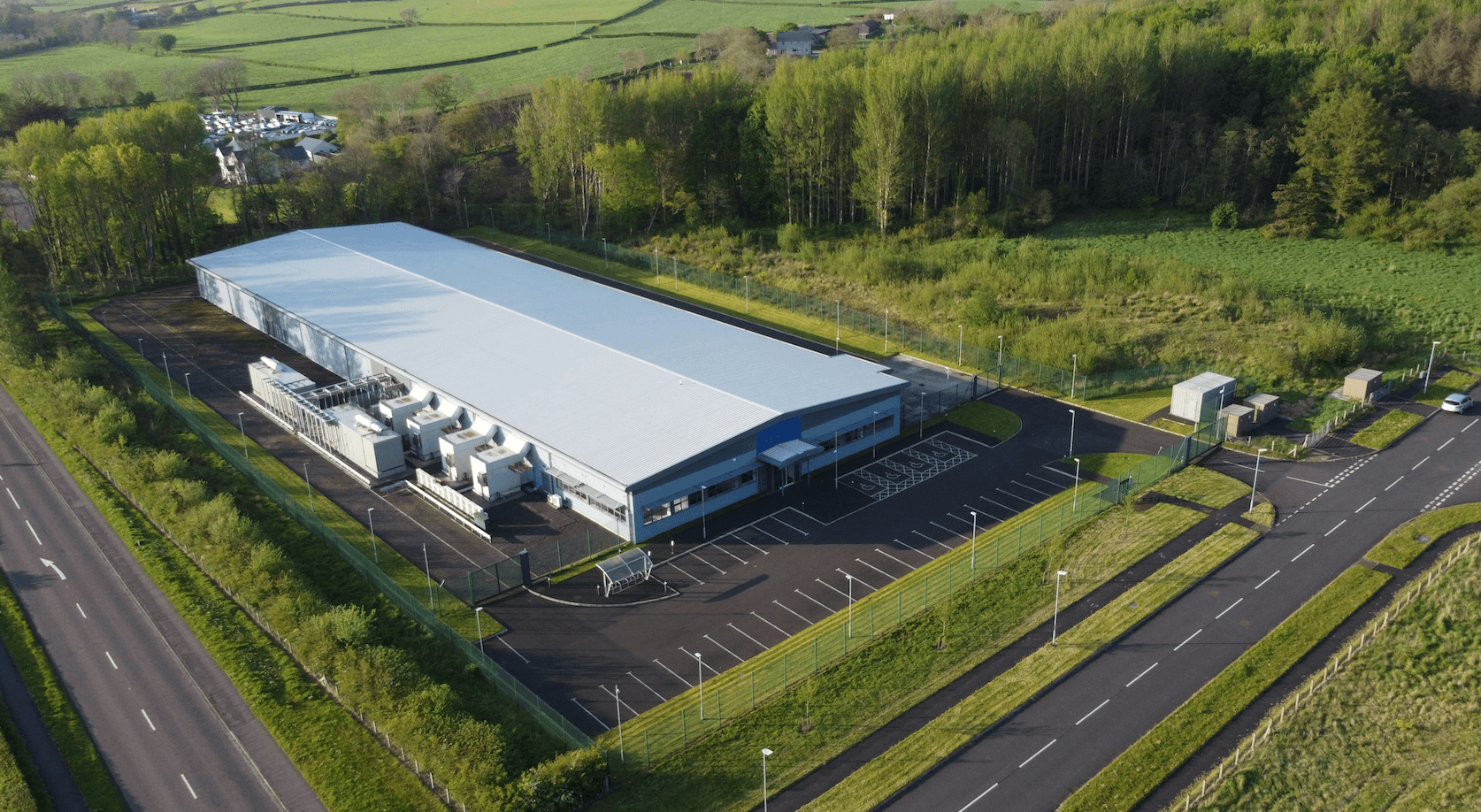
Developing and deploying this technology is resource-intensive, contributing to carbon emissions regardless of how it is used. Large amounts of electricity and freshwater are used in the development and deployment of AI models, not least to cool servers in data centres. Research suggests that by 2027, AI servers’ annual electricity use globally could be equivalent to what Argentina or Sweden use individually in one year, while annual global AI freshwater use may be comparable to that of Malaysia in recent years.
So, increasingly, as countries focus on achieving net-zero climate targets, organisations developing and using AI could find themselves under increasing scrutiny from regulators, investors, environmental groups and governments over their resource usage. Therefore, as corporate decision-makers consider how they might exploit AI’s huge potential, they will simultaneously need to determine how that deployment can be made as green as possible.
Key takeaways:
Businesses and public services should conduct an audit of the resources required to drive their AI systems.
Water stress will become an acute problem for data centres and semiconductor manufacturing.
The use of renewable energy to power the AI revolution is critical for meeting climate goals but the process is slow and highly uneven.