
Elections can be won or lost by a few key votes. But what if those votes are swayed by lies the candidate never even told?
Back in 2023, just days before Slovakia’s parliamentary election, an audio clip of candidate Michal Šimečka went viral. It appeared to show him discussing electoral fraud. Šimečka had been leading in the polls. He lost.
The clip was fake. A deepfake.
Some dubbed it the first election to be decided by synthetic content. We may never know if that’s true. But it clearly created a perception of interference – one which went unchallenged, because Slovak law bans political reporting in the final 48 hours before a vote. It may have been enough to change the result.
Democratic systems and the mechanics of voting are well protected. For good reason, rigging an election is incredibly hard. In contrast, influencing voters before they cast their ballot is not.
...
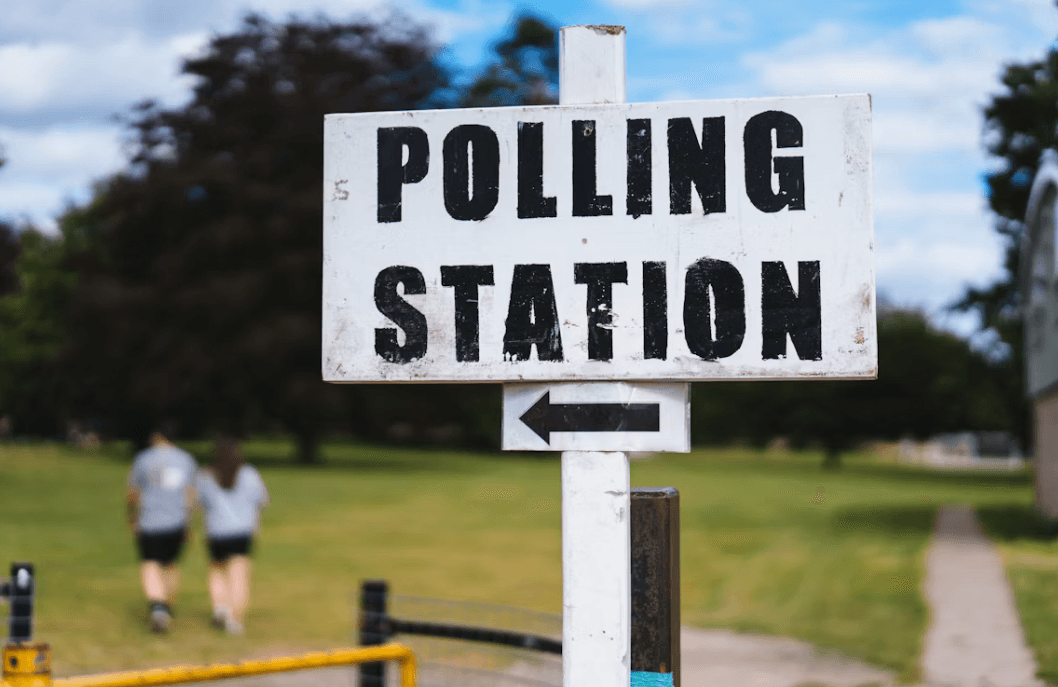
[Photo by Phil Hearing on Unsplash]