
Perceptio Lab
Cybersecurity

Closing the AI Divide — Mitigating Cyber Threats

As much as new technologies open the door to business innovation and growth, they also represent an opportunity for threat actors. Nowhere is this clearer than in the realm of artificial intelligence.

3 min readBy Megha Kumar
Briefing details
Cybersecurity
Outlet
Cyber Security Intelligence
Published
Updated
Reading time
3 min read
Author
Megha Kumar

Share

Closing the AI Divide — Mitigating Cyber Threats
Cover image for Closing the AI Divide — Mitigating Cyber Threats

Executive summary

Board briefing at a glance
Distilled for CISO, CTO, and board audiences.

Key takeaways

  • AI systems themselves will also be a growing target, especially if developers rush products to market with vulnerabilities, weak encryption, poorly configured identity management and storage, and other defects.

Business impact

Malicious use of AI can supercharge ransomware, data breaches and other threats. Deepfakes could enable threat actors to pass HR screening tests for new hires, or trick customer-facing, anti-fraud authentication mechanisms.

Recommendation

Enterprise-wide adoption of AI means that AI governance needs to extend to all functions and users.

M

Megha Kumar

CEO

Dr Megha Kumar is a reputed domain expert on geopolitics, AI and digital regulation.

LinkedIn15 published articles

The NCSC’s report  makes for concerning reading for all organisations, especially those running operational technology (OT) systems that may be less well secured.

Over the next two years, threat actors will continue to use AI to help to improve reconnaissance, vulnerability research and exploit development (VRED), social engineering, basic malware generation, and exfiltrating data. VRED is highlighted as the “most significant” use case, with sophisticated adversaries potentially even using their own models to discover new zero-day exploits. However, all threat actors will benefit, as AI-as-a-service and AI-powered pen testing tools become more widespread, driving an increase in the “volume and impact” of intrusions over the next two years, the NCSC says.

...

Read full article

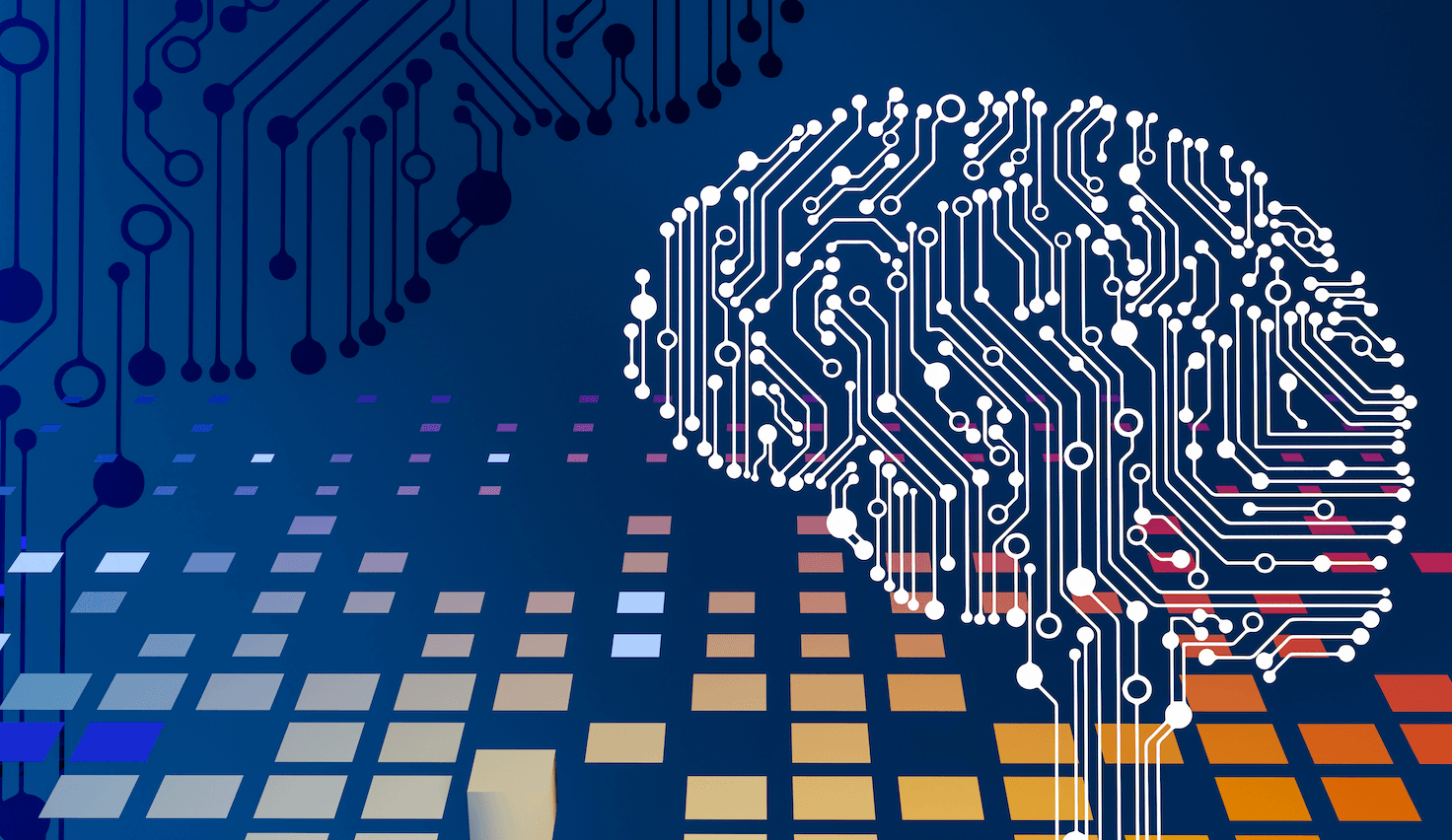
[Photo by Steve A Johnson on Unsplash]
Looking to keep enterprise cybersecurity a step ahead of evolving AI-related risks?
Explore our expert-powered Digital Risk Management Platform or contact us for advisory support.

Continue reading

Further briefings aligned to this exposure area.

AI Power, Human Responsibility
Cybersecurity
5 min read

AI Power, Human Responsibility

As organisations harness AI to drive efficiency and innovation, the same technology is being weaponised by threat actors to launch more advanced cyber-threats.

  • Artificial Intelligence
  • Cybersecurity
Business ReporterRead insight →
Who Is In Charge? How to Obey AI Regulation
Regulation
4 min read

Who Is In Charge? How to Obey AI Regulation

AI adoption in insurance will continue to accelerate and insurers will need to remain responsive and alert as regulation and legal expectations evolve in parallel.

  • Artificial Intelligence
  • Regulation
  • Insurance
Insurance DayRead insight →
When AI Gets it Wrong, Who Takes the Blame?
Regulation
5 min read

When AI Gets it Wrong, Who Takes the Blame?

In an era increasingly defined by artificial intelligence and with more and more cases of AI-related harm coming to the fore, a pressing question emerges: who bears the liability when an AI delivers a biased, discriminatory or otherwise harmful outcome or output?

  • Artificial Intelligence
  • Technology
  • Supply Chain
  • Regulation
Business ReporterRead insight →

◆ Get in touch ◆

Request Platform Demo

Book a slot